



















THE TAKEAWAY
Underwater Kelvin waves, a signature of El Niño that help intensify the climate pattern, are moving north along the West Coast and could raise sea levels, adding pressure to coastal communities already slammed by erosion.
Kelvin waves begin when westerly wind bursts push warm water eastward along the equator. After reaching Central and South America, the waves can turn north and travel along the coast as coastally trapped waves, funneling El Niño’s warm water influence from Baja California toward Alaska, according to NOAA.
These underwater pulses of warm water move eastward across the Pacific during El Niño.
After reaching Central and South America, they can travel north along the coast, deepening the thermocline and warming the upper ocean, which can temporarily raise coastal sea levels, allowing high tides and storm-driven waves to reach farther inland, according to NOAA.
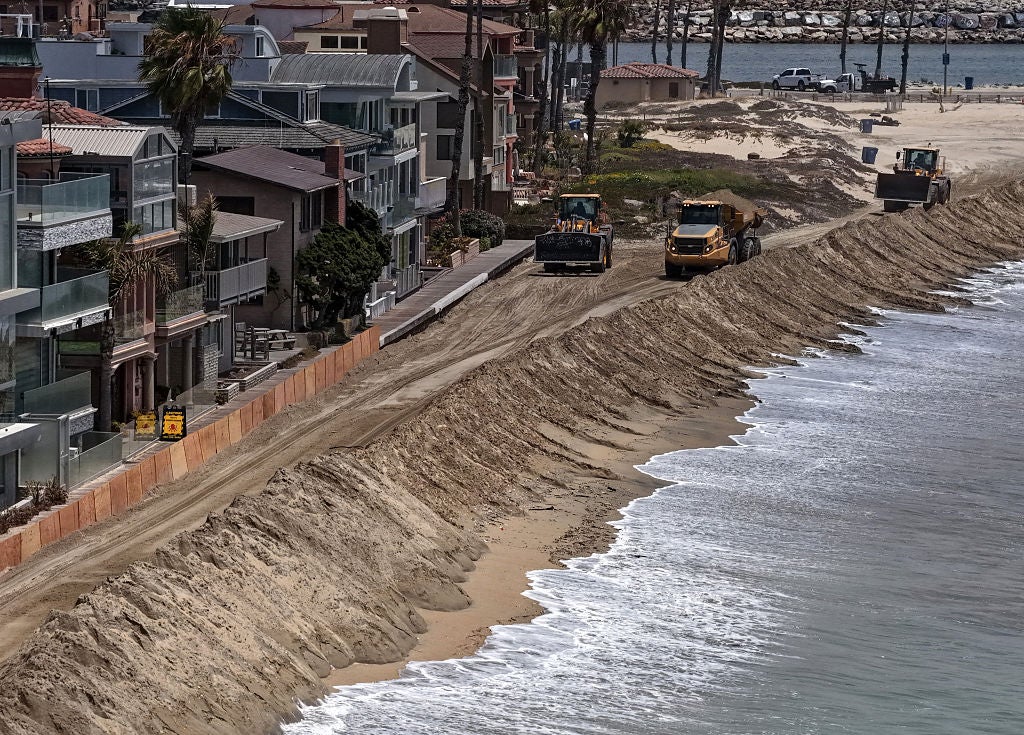
POWERFUL WAVES BATTER SOUTHERN CALIFORNIA COAST, DAMAGING HOMES AND TRIGGERING SINKHOLE
During El Niño, the trade winds that normally blow from east to west along the equator weaken and can occasionally reverse. These bursts of westerly winds push warm water eastward, generating oceanic Kelvin waves that travel beneath the surface along the equator.
As a Kelvin wave reaches Central and South America, its energy can turn northward and travel along the coastline as a coastally trapped wave. This oceanic connection can carry El Niño’s influence from the tropics toward the West Coast, including California and the Pacific Northwest, according to NOAA.
The waves can deepen the thermocline, warm the upper ocean and raise coastal sea levels.
HURRICANE SWELLS REVEAL FORGOTTEN HISTORY BENEATH ICONIC CALIFORNIA BEACH
During a strong or "super" El Niño, Kelvin waves can temporarily raise coastal sea levels along the West Coast.
The effect is especially important for low-lying shorelines already impacted by coastal erosion, where elevated ocean levels can worsen high-tide flooding and allow storm-driven waves to push farther inland.
Kelvin waves travel underwater but can produce changes in coastal sea levels up to a foot.
After traveling eastward along the equator, the waves reach Central and South America and can turn northward as coastally trapped waves. Maps of sea-surface-height anomalies can reveal this elevated band of water as it moves along the West Coast.
Kelvin waves can deepen the thermocline and warm the upper ocean, weakening the upwelling of cold, nutrient-rich water. Within El Niño, the warm water shift can disrupt marine ecosystems, and open the door for unusual warm-water visitors, from marlin and manta rays to sharks, to venture farther north along the West Coast, NOAA says.
These impacts typically begin in the waters off Baja California and Southern California before working their way north along the West Coast toward Northern California, Oregon and Washington. As the Kelvin wave advances, coastal communities will watch for warmer nearshore waters, elevated sea levels and a greater chance of high tides and storm-driven waves reaching farther inland.
The post What are Kelvin waves? El Niño’s hidden threat that could impact several states on the West Coast appeared first on Fox Weather