

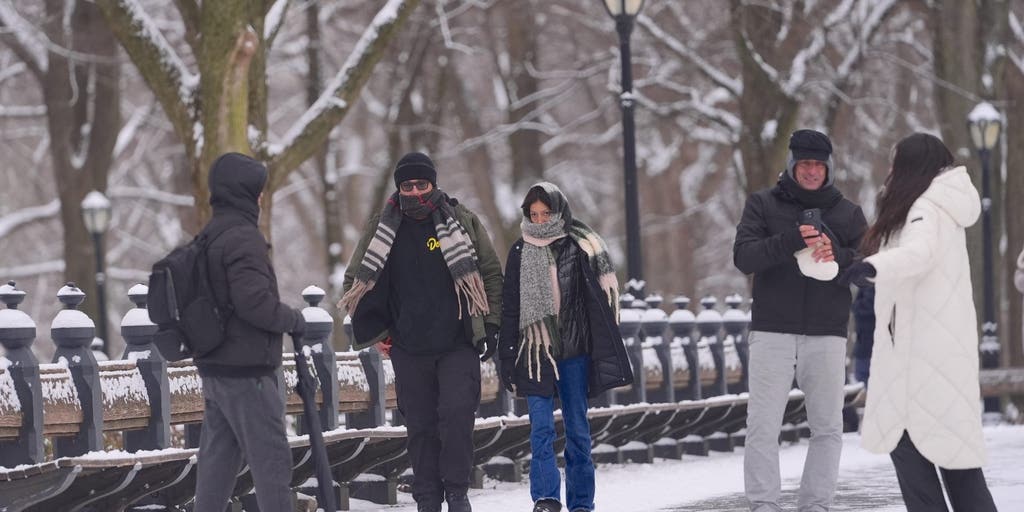
As the start of meteorological winter is finally upon us, so is the growing risk of hypothermia and other deadly dangers associated with the cold-weather season.
Hypothermia can occur when someone is exposed to frigid temperatures for a long period of time, according to the Centers for Disease Control and Prevention (CDC).
A prolonged exposure will eventually deplete your body’s stored energy, leading to dropping temperatures and, eventually, hypothermia.
"Body temperature that is too low affects the brain, making the victim unable to think clearly or move well," according to a statement from the CDC. This makes hypothermia especially dangerous, because a person may not know that it’s happening and won't be able to do anything about it.
It is essential to take notice of hypothermia symptoms before it is too late, which could be the difference between life and death. While hypothermia typically occurs in cold temperatures, it could also happen at cool temperatures above 40 degrees if someone becomes cold from rain, sweat, or cold water.
The U.S. Department of Agriculture recommends taking a person’s temperature; if it is below 95 degrees, seek medical attention immediately.
If medical care is unavailable, begin warming up the person by doing the following:
WHAT DOES FROSTBITE DO TO YOUR BODY? HERE ARE THE GORY DETAILS
It is a common misconception that alcohol will warm up your body in a situation dealing with hypothermia.
"Alcohol delays the onset of shivering and reduces its duration," read a statement from the National Library of Medicine. "It augments cold diuresis, thereby diminishing blood volume and physical working capacity."
In other words, alcohol gives a pleasant feeling of warmth, but in reality, it lowers your chances of regaining a normal body temperature.
There are many ways to stay warm and prevent hypothermia during the winter months.
For starters, you should dress in warm layers to keep your body heat trapped inside your clothes, according to MedlinePlus.gov.
It would also be wise to wear a warm hat, face mask, scarf, gloves or mittens, and waterproof snow boots. Having a full meal before venturing out in the cold will also help fuel your body and keep you warm. If you skip out on a meal, you increase your risk of hypothermia and frostbite.
It is important to note that if you have diabetes or circulatory issues, this could put you at a higher risk for hypothermia.
When trying to warm someone up, you must warm the center of the body first: chest, neck, head, and groin, according to the U.S. Department of Agriculture.
The post What is hypothermia and what can you do to prevent it? appeared first on Fox Weather