




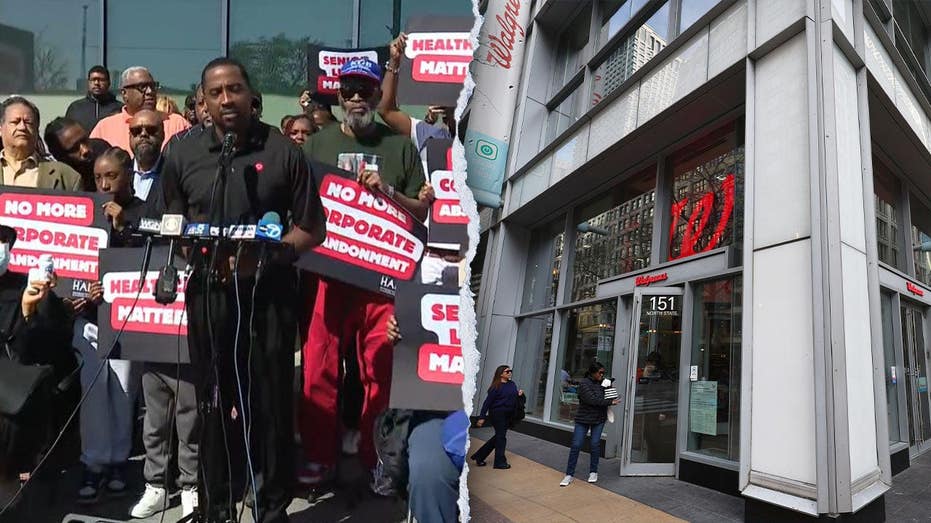





















Walgreens didn’t leave the South Side of Chicago because they hate Black people. They left because we made it impossible for them to stay.
Just recently, another Walgreens shut down on Cottage Grove, and once again the public conversation turned in the wrong direction. People started blaming the company, blaming corporate greed, blaming everything except the conditions on the ground that made staying there untenable. But businesses do not keep stores open out of charity. They stay where people shop, where customers feel safe and where theft and disorder do not make daily operations a losing proposition.
At that Cottage Grove Walgreens, the theft was off the charts. By local reports, the store lost more than a million dollars to theft in a single year. Walgreens poured roughly $400,000 into security guards at that one location and still couldn’t stop the shoplifting, the brazen grab-and-runs and the threats to staff. All the while, honest customers, especially the elderly, came in less because they didn’t feel safe. When you combine high theft, high security and insurance costs, and falling sales, the math stops working. In a capitalist country, no corporation can ignore that kind of math forever.
I know this pain personally. Several years ago, the Walgreens just feet from my church on King Drive in Woodlawn closed its doors too. Across the street, the McDonald’s fled as well. I didn’t blame either of them then, and I don’t blame Walgreens now. I blamed the violence in the community, the rampant theft and the declining sales that made it harder and harder for those businesses to survive.
AMERICAN SMALL BUSINESS OWNERS FIGHT TO SURVIVE CRIPPLING DINE-AND-DASH CRIME SPREES
What really bothers me is the people talking about everything except the real issue. We had Ald. William Hall stand in front of cameras and say Walgreens should be charged with "first-degree corporate abandonment." He even called it "pharmaceutical genocide" and said, "It should be a crime, the way they’re treating our elders ... it should be a crime, the way they’re treating our families."
But I have a question for him and every leader nodding along: Where was that same outrage when criminals were robbing that store blind? Where was the outrage when our elders were watching people walk out with bags of stolen goods? Where was the outrage knowing those thefts were putting our own pharmacy at risk? Why is it a crime when Walgreens finally closes, but not a crime when thieves did everything they could to make staying impossible?
I’ve seen what happens after the cameras leave. When we lost the Walgreens near my church, we had to organize carpools to other locations, so our elderly members could keep getting their medications. People with diabetes, heart conditions and other chronic illnesses suddenly had to figure out how to travel farther for basic prescriptions. Mothers had to scramble for formula and over-the-counter medicine. The criminals who treated that store like their personal ATM didn’t think about any of that. They didn’t care. They don’t care two cents about their own people.
HOW MAINSTREAM MEDIA BECAME 'PART OF THE RACE GRIEVANCE INDUSTRY' HARMING BLACK NEIGHBORHOODS
Yet nobody wants to say that part out loud. It’s easier to attack a corporation than to confront your own community. It’s easier to accuse Walgreens of "abandoning" the South Side than to admit that we helped drive them out by tolerating theft and violence. It’s easier to rail against "corporate greed" than to look a young man in the eye and say, "You are wrong. You hurt your own grandmother when you stole from that store."
Part of this comes from our ingrained culture of excuse-making. Any time we talk about crime, someone rushes in with "root causes." Yes, there are root causes — poverty, broken families, bad schools. I see them every day. But root causes do not erase personal responsibility. They do not turn theft into justice. They do not make it OK to steal medicine out of the mouths of your own community.
And let’s be clear: When we drive out a Walgreens or a McDonald’s, we are not just chasing out a logo. We are choking off jobs. The people behind those counters are our neighbors. They live here. They pay rent here. Those paychecks feed families on our blocks. When enough people treat the store as a place to steal instead of a place to shop, those jobs evaporate.
CLICK HERE FOR MORE FOX NEWS OPINION
If we want businesses to stay, we have to act like a community worth investing in. Our grandparents marched to be allowed into these once-segregated establishments. They fought and bled so they could walk through the front door, sit at the counter and be treated like customers instead of second-class citizens.
So I’m not going to join the chorus attacking Walgreens for closing a store that was losing money and drowning in theft. I will tell the truth: They left because we, as a community, did not protect what we had.
I want businesses to come back to Cottage Grove and to King Drive. I want pharmacies, grocery stores and restaurants to open and thrive here. But they will not come back because we guilt them into it. They will come back when they see a community that respects them, patronizes them and stands up against the few who try to tear them down.
Until then, every time a store closes, we need to look in the mirror. We need to stop asking, "Why did Walgreens abandon us?" and start asking, "Why did we abandon Walgreens?"
CLICK HERE TO READ MORE FROM PASTOR COREY BROOKS
The post Walgreens didn’t abandon Chicago’s South Side. We let crime drive them out appeared first on FOX News