



















THE TAKEAWAY
Beachgoers may be watching for rip currents, rough surf or even sharks, but snakes aren’t the first thing that comes to mind when heading to the beach.
However, some U.S. coastal areas are home to venomous snakes, which can be found in several habitats, including dunes, marshes and other areas near the shoreline.
THESE 5 STATES HAVE SOME OF THE MOST SNAKE-FILLED WATERS IN THE NATION
While snakes generally avoid people, they can bite when threatened or handled.
According to WorldAtlas, these are some of the U.S. beaches with the most venomous snakes:
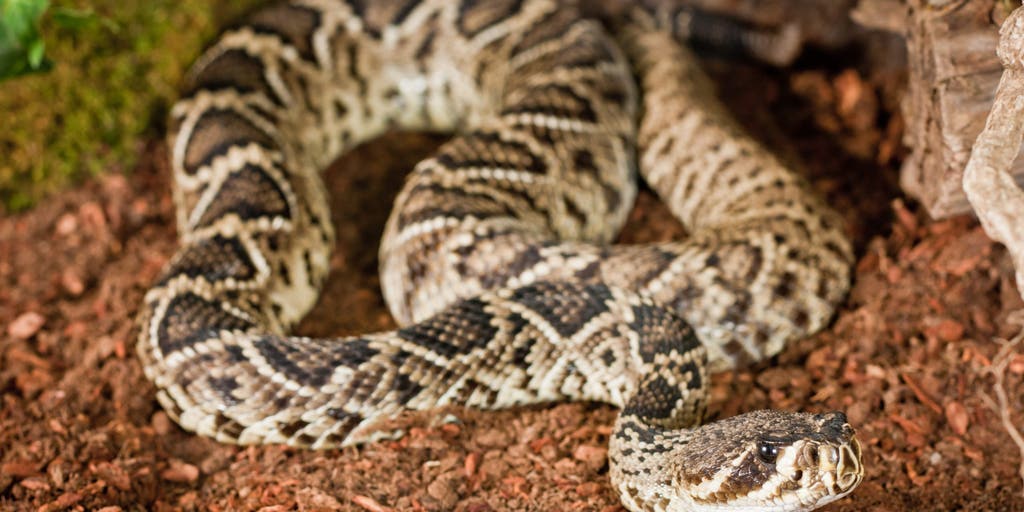
Eastern diamondback rattlesnakes are found in coastal areas around Pensacola.
WorldAtlas reported that three eastern diamondbacks were spotted around Fort Pickens in one week in 2018, including one seen swimming in the Gulf of America.
The National Park Service said the eastern diamondback is native to Gulf Islands National Seashore and can live in coastal dune habitats.
Eastern diamondbacks also inhabit portions of the Georgia and South Carolina coasts.
WorldAtlas reported that the snakes have been documented on sea islands farther up the coast, including in South Carolina’s ACE Basin.
The snakes use habitats such as maritime forests, dune scrub and palmetto thickets.
TOP 10 BEST BEACHES IN THE WORLD FOR 2026 ANNOUNCED
The species mix changes farther west along the Gulf Coast.
WorldAtlas reported that western diamondbacks are found along the Texas coast, while cottonmouths occur in coastal marshes and other wet habitats.
The snakes are generally associated with dunes, scrub and marshes behind the beach rather than the open sand.
YOUNG FOOTBALL PLAYER HAS CLOSE CALL WITH VENOMOUS SNAKE HIDING INSIDE HIS HELMET BEFORE PRACTICE
Southern California has recorded rare appearances of the highly venomous yellow-bellied sea snake.
WorldAtlas reported sightings at Silver Strand Beach in Oxnard, Bolsa Chica State Beach and Coronado Dog Beach.
The Natural History Museum of Los Angeles County has also documented the rare California appearances, including several associated with El Niño events.
Unlike the rattlesnakes found along parts of the Gulf and Southeast coasts, the yellow-bellied sea snake is a marine species that normally lives in tropical waters.
The post These US beaches are home to some of America's most venomous snakes appeared first on Fox Weather