




















THE TAKEAWAY
FAIRBANK, Alaska - When winter weather makes travel treacherous, snow and ice can make the roads challenging for any driver, but what happens when there’s no one behind the wheel?
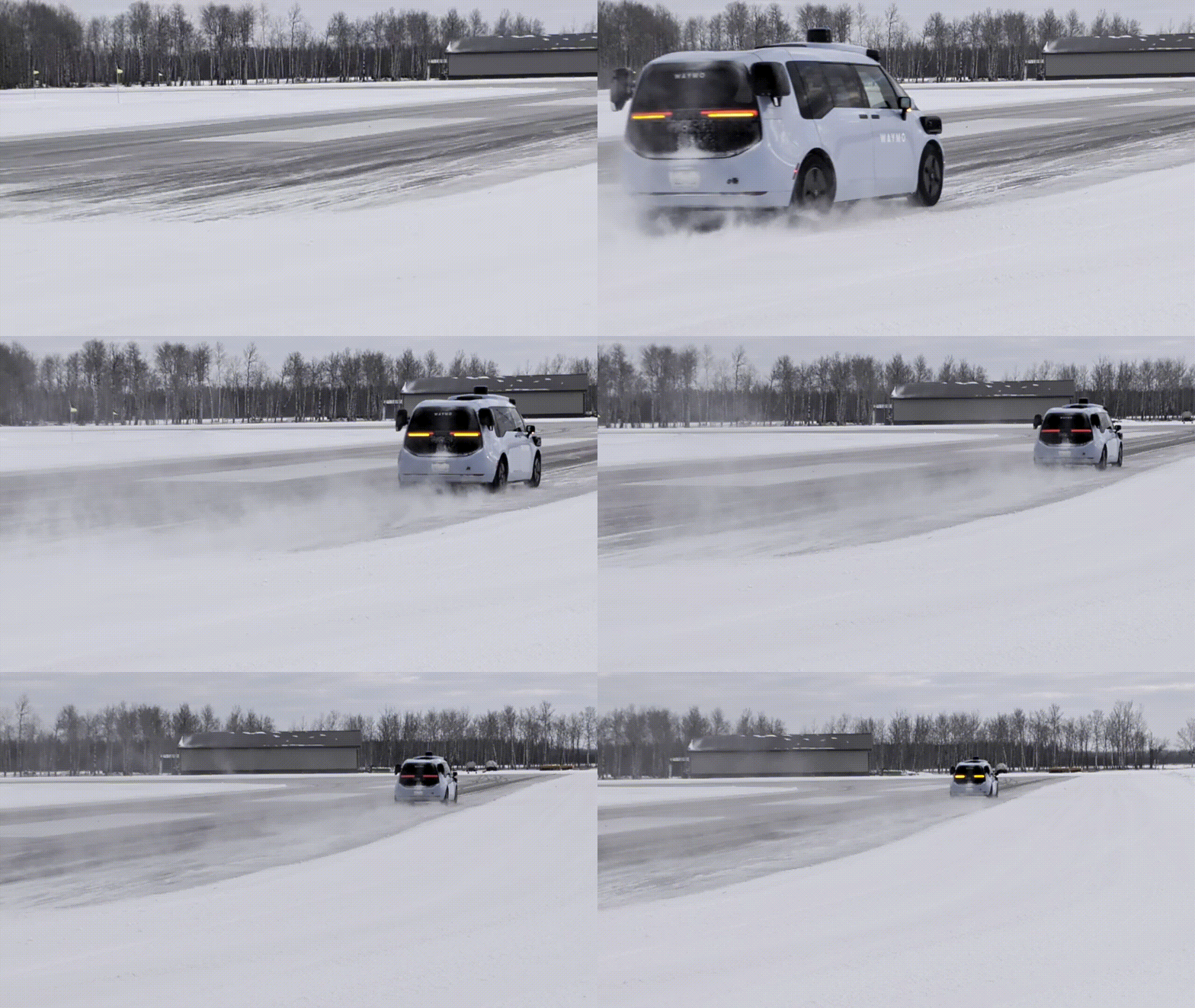
Waymo, one of the world’s leading autonomous vehicle companies, is bringing its self-driving vehicles to Alaska to test the company’s technology in heavy snow and severe winter conditions.
MEET THREEHALVES: THE VIRAL ROBOT DESIGNED FOR EARTH'S MOST DANGEROUS ENVIRONMENTS
As a developing Super El Niño threatens to fuel weather extremes around the globe, Waymo is expanding its winter testing to prepare its autonomous "Drivers" for challenging conditions in all four seasons.
With winter on the horizon, Waymo will conduct closed-course evaluations in Alaska while collecting heavy snowfall data to further refine its cold-weather capabilities.
Waymo currently operates its autonomous ride-hailing service across U.S. cities ranging from the desert Southwest to humid Florida and snowy streets in Denver, where vehicles must contend with extreme heat, heavy rain, flooding, snow and ice.
AMAZON’S DELIVERY DRONES ARE BUILT TO FLY THROUGH RAIN, EXTREME HEAT AND FREEZING TEMPERATURES
The California-based company has spent years testing its autonomous robotaxi vehicles in some of North America’s snowiest regions, including Upstate New York, Michigan’s Upper Peninsula and the Sierra Nevada.
Alaska presents one of Waymo’s most demanding winter testing environments yet, and Gov. Mike Dunleavy welcomed the company’s arrival.
"Alaska has always been a place where innovators come to test their limits, and there is no better proving ground for winter driving than Fairbanks," Dunleavy wrote on social media.
NOVICE CLIMBERS RESCUED AFTER AI-PLANNED MOUNT SHASTA ASCENT GOES SIDEWAY
Dunleavy said Waymo will test its Ojai and Hyundai IONIQ vehicles in Fairbanks, exposing the autonomous technology to some of the state’s most challenging winter conditions, including heavy snow, ice and extended periods of darkness.
Battling the elements is nothing new for Waymo’s fleet of self-driving vehicles.
Each Waymo vehicle acts as a mobile weather station, using cameras, radar and lidar to analyze conditions in real time — including rain, fog, snow, visibility and road friction — while sharing that data across the fleet.
"Driving safely in the winter requires an all-weather driver and paying attention to the skies and the streets. The 6th-generation Waymo Driver uses cameras, radar and lidar to navigate the world around it, while built-in heaters and micro-wipers keep sensors clear in icy conditions," Waymo said.
ALASKA’S SUICIDE BASIN SHOWS THE HIDDEN DANGER OF GLACIAL LAKE OUTBURST FLOODS
Together, these systems are designed to help the Waymo Driver see through winter weather, understand changing road conditions and adjust its driving in real time while keeping critical sensors clear.
While the company has encountered setbacks — including a 2026 recall after flooding occurred in Texas — Waymo said it remains committed to continued testing and improving the technology.
Before deploying any capability to the public, Waymo evaluates it through a rigorous, peer-reviewed "Safety Framework" that includes real-world testing, closed-course evaluations and simulations of extreme conditions, such as black ice and whiteouts.
With winter approaching, Alaska's notoriously heavy snow, ice and extended darkness that Gov. Dunleavy described as among the "most challenging winter conditions in the country" will provide a demanding test of Waymo’s autonomous technology.
The post Snow, ice and no driver? Waymo's robotaxis face the ultimate winter test appeared first on Fox Weather