























NPR's public editor admitted last week that "important voices" were missing from the outlet's coverage of the March attack on a Jewish synagogue in Michigan, distorting audience perception of the story.
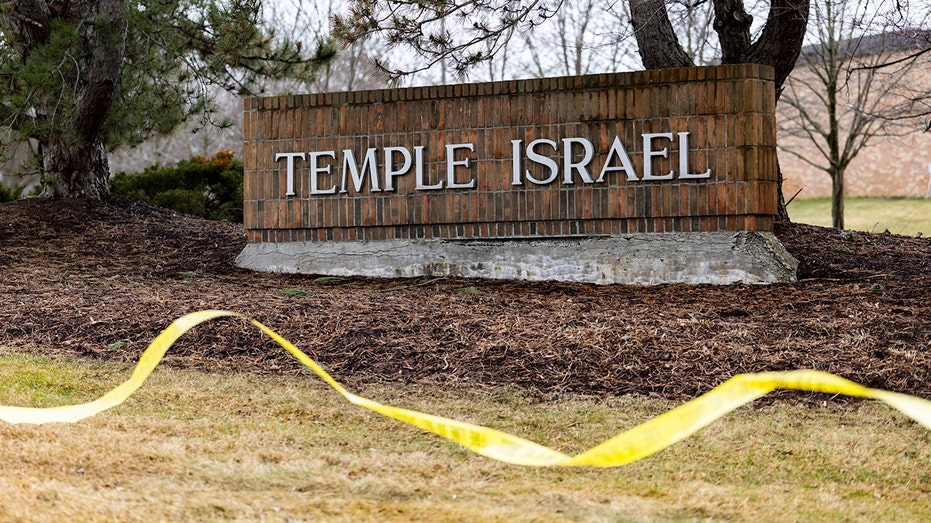
Ayman Mohamad Ghazali, who was born in Lebanon in 1985, allegedly rammed a vehicle into Temple Israel, a large Reform Jewish synagogue filled with more than 100 children in West Bloomfield, on March 12 before exiting the vehicle with a rifle and exchanging gunfire with armed security, who shot and killed him.
Public editor Sarah McBride wrote she did not find NPR stories quoting rabbis, congregation members or families of children who fled the building in the liberal outlet's coverage. NPR's public editor serves as a "bridge between the newsroom and the audience" that will explain and at times criticize in-house editorial decisions to readers.
"NPR ran multiple stories on the attack. In all of that coverage, voices from Temple Israel are absent. I couldn't find any stories that quote rabbis, congregation members or the families of the children who had to flee the building," McBride wrote, noting one story quoted a rabbi from a nearby congregation.
WHO IS AYMAN MOHAMAD GHAZALI? LEBANESE-BORN AMERICAN ACCUSED IN JEWISH SYNAGOGUE ATTACK
NPR published a March 15 report headlined, "In a small Lebanese town, grief and fear follow the Michigan synagogue attack," that detailed support for the Iranian-backed militant group Hezbollah in Lebanon's Bekaa Valley, the hometown of Ghazali. The piece by reporter Hadeel al-Shalchi was seen by some critics as sympathetic to the suspected terrorist’s family and the community at large.
McBride admitted her inbox was flooded with negative feedback of its coverage of the Middle East conflict embroiling the U.S., Israel, Iran and Lebanon.
"Our Public Editor inbox is overflowing with commentary on NPR's coverage of the U.S. and Israel's war on Iran and now Lebanon. Much of it is critical of NPR," McBride wrote.
Commentator Batya Ungar-Sargon was among the critics, writing on Substack, "That’s right: NPR found the real victim of an attack on 140 Jewish American babies—and it’s the Hezbollah-infested town in Lebanon that raised a family of terrorists."
MICHIGAN SYNAGOGUE ATTACK SUSPECT IDENTIFIED, ENTERED US ON SPOUSE VISA FROM LEBANON: DHS
McBride said her criticism echoes what "dozens" of listeners have sent in, while others have asked if the Bekaa Valley story was "inappropriate or insensitive" and some asked why it failed to mention the family's connection to Hezbollah.
McBride declared the "journalistic purpose of the story was to explore the connection between the terror attack on the Michigan synagogue and the family that was killed on the other side of the world," insisting that "documenting that relationship and humanizing the family does not imply that Ghazali's attempt to kill more than a hundred children was justified."
All preschool children and staff at the temple were safely evacuated from the synagogue. But the community remains shaken by the horrific terror attempt.
McBride noted a local Detroit newspaper wisely covered Shabbat services the following day.
NPR PUBLIC EDITOR CLAIMS ALLEGED 'POLITICAL BIAS' IS ACTUALLY 'GEOGRAPHIC BIAS'
"The Detroit News attended Shabbat services the next day, which had to be held in another location. A story like that would have been the perfect opportunity to examine [the] community's response to the terrifying attack. NPR or Michigan Public Radio pulled away from the story at Temple Israel too soon," McBribe continued. "When important voices are missing from coverage, it distorts the audience's perception of everything else."
Fox News Digital’s Bonny Chu contributed to this report.
The post NPR public editor admits glaring absence of Jewish victim's voices in coverage of Michigan synagogue attack appeared first on FOX News