






























THE TAKEAWAY
SANTA BARBARA COUNTY, Calif. – Damage assessments continue for the Santa Rosa Islands just a few months after devastating wildfires destroyed some of the world's rarest plants.
The Santa Rosa Fire broke out on May 15 and continued through June 4, when a stranded mariner used flares to signal for help on the island, but accidentally triggered a massive wildfire.
SAILOR RESCUED IN THE NICK OF TIME AS MASSIVE, RECORD-BREAKING WILDFIRE ENGULFS CALIFORNIA ISLAND
The wildfire burned 18,279 acres.
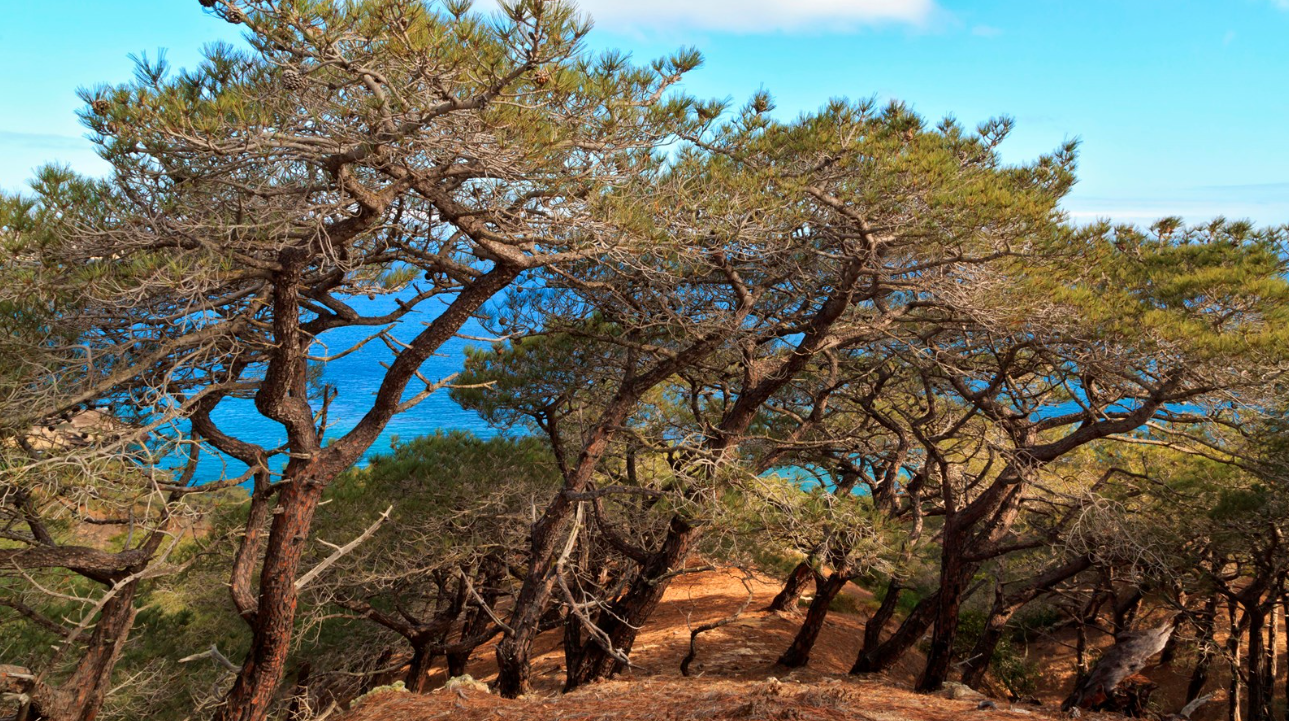
As a result of the devastating wildfire, the very rare Torrey pine suffered a tremendous loss of life on the island, eradicating between 60% and 80% of the plant life.
The Torrey pine is the rarest native pine in the U.S., and possibly the world, and it grows naturally only in San Diego and Santa Rosa Island.
CREWS RACE TO CONTAIN DEADLY WILDFIRES BURNING ACROSS TEXAS AND NEVADA AMID DANGEROUS FIRE WEATHER
"Some have suggested several million years ago while others have suggested between 5,000 and 43,000 years ago," the National Park Service said.
In response, the National Park Service said they're taking urgent measures to re-stabilize the forest before the rainy season threatens recovery efforts.
FEDERAL WILDLIFE OFFICER DIES WHILE HELPING RESIDENTS FLEE FAST-MOVING OKLAHOMA WILDFIRE
While walking through the charred landscape, they recovered and collected 14,000 Torrey pine seeds, trying to find any viable enough for a second chance at life.
Under the park's stabilization and rehabilitation plan for the island, they will release around 300 to 500 seedlings each year to rebuild the once-thriving landscape.
"Crews and volunteers are beginning emergency work to stabilize burned hillsides by installing wattles, long tubes made of natural fibers that slow rainwater and help keep soil from washing away," the NPS said.
This will hopefully be enough to help the soil hold and keep seeds in place during the rainy season and allow the vegetation to recover.
The post Massive wildfire wiped out 80% of one of the world’s rarest plants — now scientists are fighting to save it appeared first on Fox Weather