




















Forecasts show this winter could see the strongest El Niño ever recorded, which could have significant impacts on different parts of the U.S. But will it look similar to the Super El Niños of history?
According to the FOX Forecast Center, there have been three winters since 1990, which were Super El Niño: 1991-92, 1997-98 and 2015-16.
SUPER EL NIÑO FUELED WINTER COULD UNLEASH MORE STORMS, DRIVING MORE ACTIVE PATTERN INTO THE SOUTH
While 1991-92 and 1997-98 followed very similar patterns, 2015-16 took an entirely different route, proving that just because the climate pattern is the same, doesn't mean it'll have the same effects.
In 1991, El Niño kicked off with a blockbuster snowstorm, a Halloween blizzard that slammed Minnesota and Wisconsin, burying parts of the state under feet of snow.
The Regional Snowfall Index (RSI), which was launched in 1990, measured this storm as an "Extreme" storm, the highest category on the scale.
WILL THANKSGIVING BRING SNOW, RAIN OR SUNSHINE? FARMERS’ ALMANAC REVEALS ITS 2026 OUTLOOK
However, after that, nothing much happened.
Very few major storms followed that one, and the rest of winter saw warmer temperatures and rain.
A few years later, El Niño dominated again, and another major October snowstorm raged through the West.
That storm brought heavy snow from Colorado to Maine, but the rest of the major cities in the Northeast were lacking snow for the rest of the season.
This winter season proved to be very different from the El Niño's that preceded it, with the first major winter storm hitting in November.
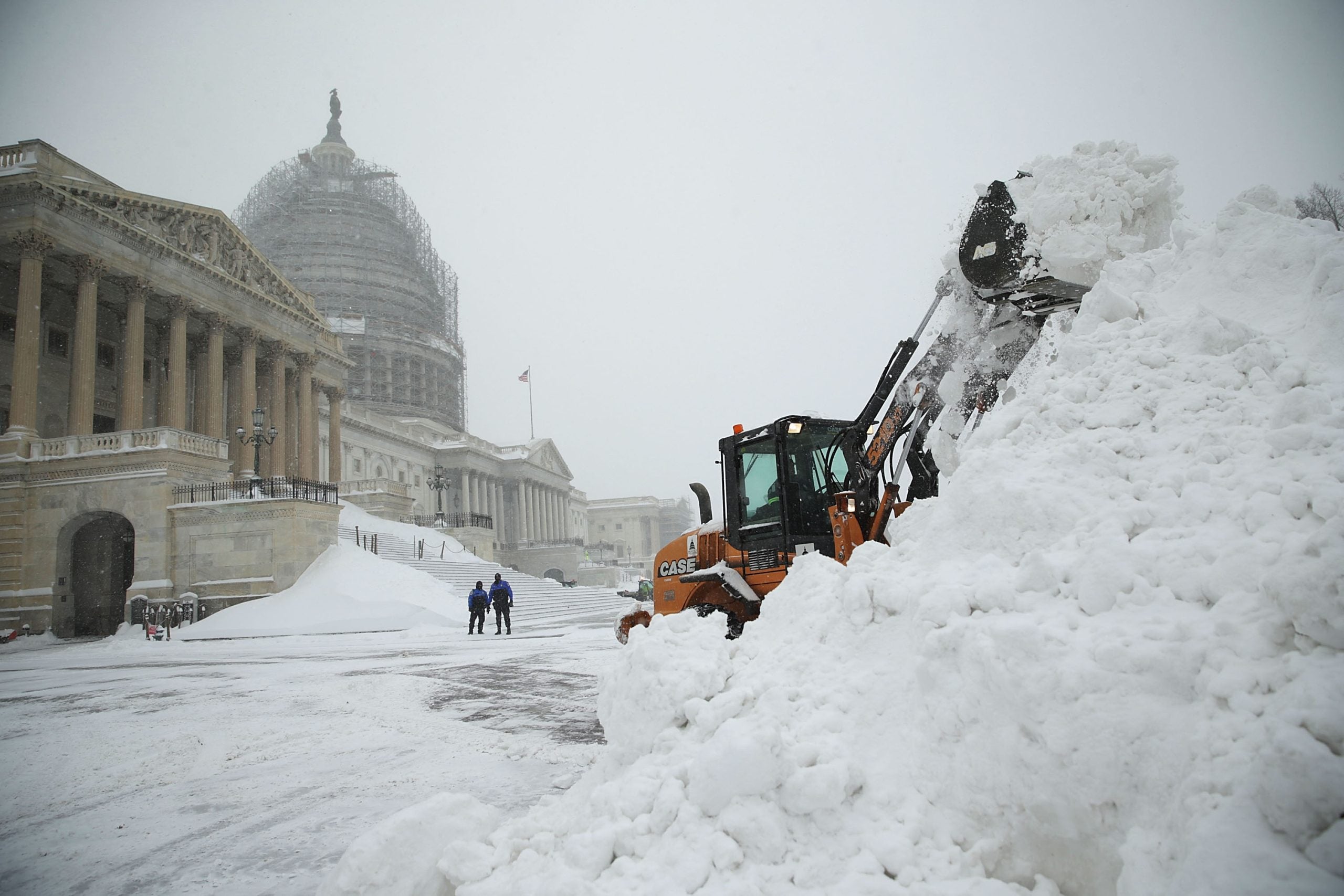
December 2015 was exceptionally warm, but the Blizzard of January 2016 brought heavy snow to the Mid-Atlantic and Northeast.
'HISTORIC' EL NIÑO INCREASINGLY LIKELY, WITH 83% CHANCE OF BECOMING THE STRONGEST ON RECORD
Central Park received over two feet of snow from that storm alone, the FOX Forecast Center said.
All three winters featured active storm patterns in the Pacific, but whether they produced rain or snow depended on whether they had cold air available.
The FOX Forecast Center said early-season water temperatures could help explain some of the differences between these winters.
In the 2015-2016 winter, the Pacific Ocean, Gulf of America and Atlantic were warmer than during the two previous Super El Niño winters.
"Warmer ocean waters can provide additional heat and moisture to developing storms, and alter the position of the jet stream influencing storm tracks," the FOX Forecast Center said.
It's also possible the cooler coastal waters in the 1990s limited storm development along the coast.
"Three winters are far too few to establish a reliable forecast, and every El Niño season develops differently," the FOX Forecast Center said. "Still, history suggests that a quiet October does not rule out a major early snowstorm, and one blockbuster storm does not guarantee a snowy winter."
For the East Coast in particular, the outcome of the historic Super El Niño will depend on the storm track, the availability of cold air and how water temperatures influence developing systems.
Continue following FOX Weather as we track how Super El Niño progresses this season and if it'll follow the path of one of these previous seasons or forge its own way into the history books.
The post Could history repeat itself? How past Super El Niño winters offer clues about what's ahead appeared first on Fox Weather