














THE TAKEAWAY
The Arizona Department of Agriculture (AZDA) announced that the New World screwworm has reached the state, with nine confirmed cases now reported.
Arizona is the third state to report cases of the flesh-eating parasite since June, when the first confirmed case was discovered in Texas.
Since then, a total of 157 cases have been reported across the U.S., with November recording the highest monthly case count with 70 confirmed cases.
The New World screwworm poses a major threat to livestock, pets, wildlife and, less commonly, humans.
OFFICIALS AIM TO COMBAT SPREAD OF FLESH-EATING PARASITE WITH NEW STERILE FLY PRODUCTION FACILITY
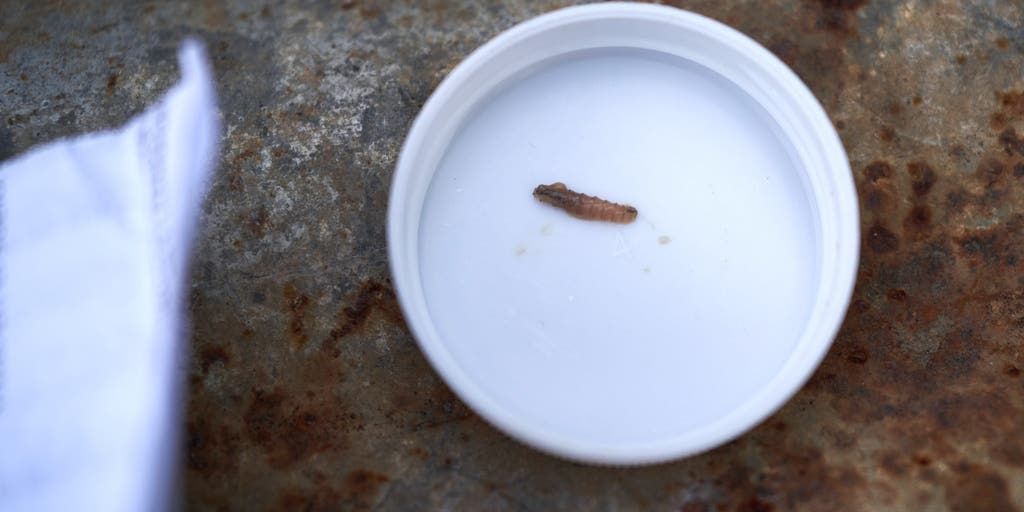
According to the U.S. Department of Agriculture (USDA), the larvae feed on living tissue, potentially causing severe wounds and significant economic damage if infections are not detected and treated quickly.
The parasite completes part of its life cycle by feeding on the flesh of warm-blooded animals and, in rare cases, people.
Adult female screwworm flies are attracted to the smell of wounds and bodily openings, including the nose, eyes, ears, mouth and genitals.
Once a female fly finds a suitable site, it can lay between 200 and 300 eggs. In some cases, a single fly can lay up to 3,000 eggs during its 10- to 30-day lifespan.
The eggs hatch into maggots, which burrow into the wound and feed on living tissue. After approximately seven days, the mature larvae drop to the ground, where they develop before emerging as adult screwworm flies.
As the parasite continues to spread, federal and state officials are ramping up surveillance and containment efforts in affected areas, including Texas and New Mexico.
One major component of the response is the use of sterile flies to prevent the parasite from reproducing.
THIS POTENTIALLY DEADLY, FLESH-EATING PARASITE IS GETTING CLOSER TO THE US
In April, the USDA and the U.S. Army Corps of Engineers broke ground on a new sterile fly production facility in Edinburg, Texas.
The $750 million project is designed to produce sterile New World screwworm flies that can be released in targeted areas to help slow the spread.
Because female screwworm flies typically mate only once, mating with sterile males results in eggs that do not hatch, helping reduce the population over time.
Meanwhile, Arizona officials are implementing additional containment measures following the newly confirmed detections.
According to the AZDA, animal health officials establish a mandatory 12.4-mile Infested Zone around each confirmed detection.
Within these zones, restrictions are put in place on animal movement, halt self-inspections and deploy targeted containment measures.
THIS INVASIVE LIZARD SPECIES IS THREATENING THE ECOSYSTEM AS IT SPREADS ACROSS CENTRAL FLORIDA
Officials hope the combined surveillance, containment and sterile fly efforts will ultimately eradicate the New World screwworm from the U.S.
The post Flesh-eating parasite poses growing threat to livestock as it spreads to third US state this year appeared first on Fox Weather