














SANTA CLARA, Calif. – The biggest game in American sports, the Super Bowl, kicks off this weekend as the New England Patriots face off against the Seattle Seahawks on Sunday.
Since the merger of the American Football League (AFL) and the National Football League (NFL) on June 8, 1966, the Super Bowl has been held every year between the two conferences.
FROM COLDEST TO HOTTEST: HERE ARE THE WILDEST SUPER BOWL WEATHER MOMENTS IN HISTORY
Despite the big game normally taking place in tropical or climate-controlled locations, there have been some instances of cold-weather Super Bowls in its 60-year history.
Let's break down the top five coldest Super Bowls in NFL history, according to the Pro Football Hall of Fame.
Super Bowl 19 featured a pair of Hall of Fame QBs battling it out for iconic franchises in NFL history, with Joe Montana and the San Francisco 49ers matched up against Dan Marino and the Miami Dolphins.
The game, held in Stanford, California, which is generally known for its warm weather, ranks fifth on our list of the coldest Super Bowl games.
HOW MUCH ENERGY DOES IT TAKE TO POWER THE SUPER BOWL? THE ANSWER WILL SHOCK YOU
On Jan. 20, 1985, the temperature was 53 degrees for this game as fans in the stands were seen wearing furry coats and jackets to stay warm.
Montana threw for a then-Super Bowl record 331 yards and three touchdowns, earning MVP of the game. This was the second championship for an organization on its way to building a dynasty full of Hall of Famers.
Coming in fourth place is Super Bowl 8, featuring the Minnesota Vikings vs. the Miami Dolphins on Jan. 13, 1974, at Rice Stadium in Houston, Texas. Temperatures were recorded at 50 degrees.
In a fairly unexciting game, the Dolphins dominated behind the helm of Hall of Fame Head Coach Don Shula, winning their second consecutive Super Bowl and third straight appearance.
Dolphins legend Larry Csonka set a then-Super Bowl record with 33 carries and 145 rushing yards, along with two touchdowns on the day.
HISTORIC WINTER STORM KILLS OVER 80, IMPACTS MILLIONS ACROSS MORE THAN 40 STATES
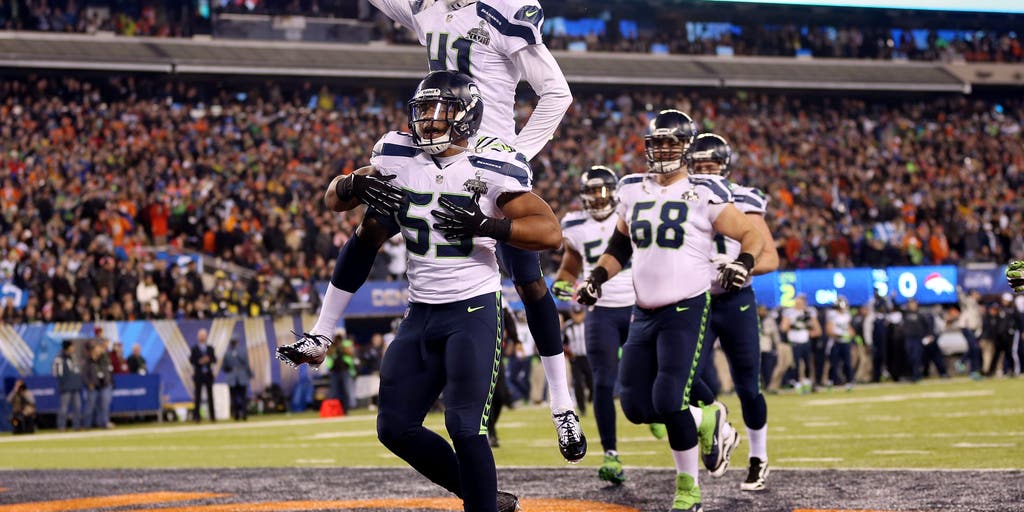
On Feb. 14, 2014, the Seattle Seahawks faced off against the Denver Broncos in one of the most highly anticipated matchups in the game’s history. This is the only Super Bowl to take place in a cold-weather city, playing at MetLife Stadium in East Rutherford, New Jersey.
This was highly anticipated, as the Broncos had the league’s best-ranked offense going up against the Legion of Boom, the league’s best-ranked defense.
Temperatures for this game were recorded at 49 degrees, which isn’t as bad as expected for an outdoor game taking place in the middle of winter.
The weather didn’t have much impact on either team, as the Seahawks dominated from start to finish, smashing NFL MVP Peyton Manning and the Broncos by a score of 48-8, winning their first-ever Super Bowl.
NOR'EASTER 'BOMBS' OUT AFTER SLAMMING CAROLINAS, VIRGINIA WITH RECORD SNOW, BLIZZARD CONDITIONS
QB Russell Wilson solidified himself as a Seahawks legend, throwing for 206 yards and two touchdowns, while running back Marshawn Lynch had 15 carries for 39 yards and a touchdown.
An iconic moment of this game included an 87-yard kick return touchdown from wide receiver Percy Harvin.
Coming in as the second-coldest game in Super Bowl history, we have the Pittsburgh Steelers against the Minnesota Vikings. This would be Minnesota's second consecutive Super Bowl appearance after losing to the Dolphins the previous season.
According to the Pro Football Hall of Fame, temperatures reached 46 degrees on Jan. 12, 1975, in New Orleans.
DO THE NFL'S COLD WEATHER TEAMS HAVE AN EASIER ROAD TO THE SUPER BOWL?
Pittsburgh’s stonewall defense held the Vikings to only 199 yards of total offense in a game the Steelers won 16-6, earning the franchise its first Super Bowl championship.
Running back Franco Harris was unstoppable, running all over the Vikings’ defense, rushing for 158 yards and a touchdown. He earned himself Super Bowl MVP.
The coldest Super Bowl game in NFL history was the Dallas Cowboys versus the Miami Dolphins on Jan. 16, 1972.
Temperatures for this game were 39 degrees in New Orleans, which is normally known for warm-temperate conditions.
The Cowboys, led by Hall of Fame Head Coach Tom Landry, steamrolled the Vikings’ defense with Roger Staubach at the helm of the offense, throwing for two touchdowns on the day.
Dallas would go on to win their first Super Bowl in franchise history by a score of 24-3.
Luckily for fans, they will not encounter temperatures anywhere near those of past matchups.
Meteorologists at the FOX Forecast Center expect temperatures to start in the mid 60s and cloudy skies by kick-off at 6 p.m, giving this matchup a low ROWI (risk of weather impact).
The post Here are the coldest games in NFL Super Bowl history appeared first on Fox Weather