















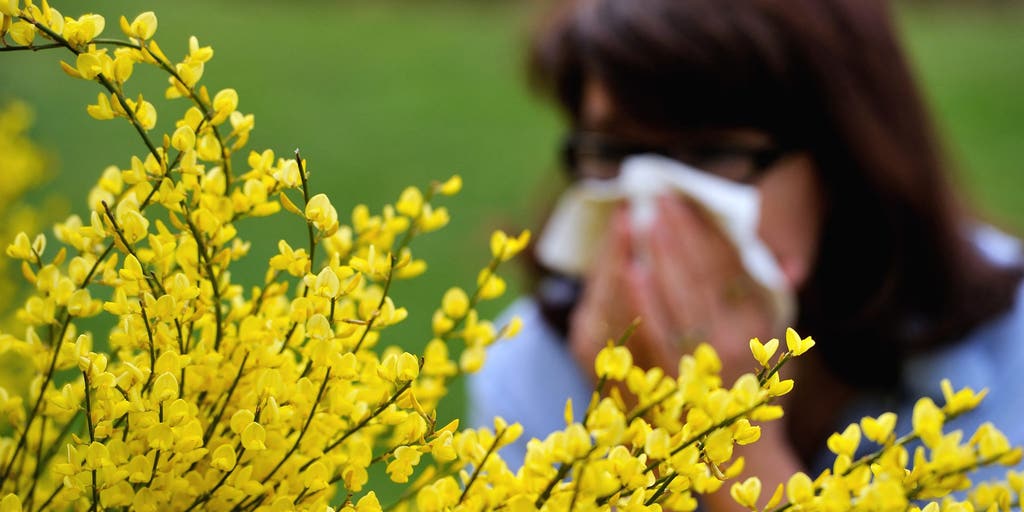





















Allergy sufferers in the U.S. might've felt it for a while, but a new report shows that pollen allergy season is more intense and longer-lasting than ever.
More than 106 million people in the U.S. have allergies or asthma, with millions of people suffering from pollen allergies alone.
Generally, in the colder winter months, allergy triggers like grass, weeds and tree pollens are low or mild. As seasons change and temperatures get warmer, pollen levels rise.
WHY SPRING SHOULD ACTUALLY BEGIN ON MARCH 1
The report from the Asthma and Allergy Foundation of America (AAFA) revealed some of the most challenging cities to live in if you suffer from allergies, ways to manage allergy symptoms and why allergy seasons seem to be lasting longer and more intense than ever.
HERE ARE THE 10 BEST PLACES TO LIVE IN THE US IF YOU HAVE SEASONAL ALLERGIES
Pollen gets worse as temperatures get warmer, meaning more people suffer from allergy symptoms.
As the years go on, allergies seem to start earlier, become more intense and last longer throughout the year.
The AAFA report shows that climate change is a likely cause.
SEE WHEN AND WHERE RARE SUPERBLOOMS ARE HAPPENING WITH THIS INTERACTIVE MAP
Warmer temperatures mean plants start growing sooner, and they produce more highly allergenic pollen, the AAFA said.
Extreme weather can also stimulate more pollen production or longer pollen seasons.
If you step outside and start to get itchy eyes or a runny nose, that could mean you have seasonal allergies.
Symptoms of seasonal allergies can be different depending on the type of allergen triggering an immune response, according to ZYRTEC.
PEAK BLOOM OF THE PICTURESQUE CHERRY BLOSSOM TREES IN WASHINGTON, D.C. IS ALMOST HERE
Common symptoms of seasonal allergies:
Allergies can be managed in a number of ways.
The AAFA says avoiding contact or exposure to pollen from entering your eyes, mouth, lungs and nose is important to helping manage symptoms.
HERE'S WHAT YOU NEED TO KNOW TO STAY SAFE AT THE BEACH DURING SPRING BREAK
Tips include checking pollen forecasts daily and staying inside when forecasts are high.
ZYRTEC recommends changing clothes as soon as you can on high pollen days, and showering to wash pollen off your body.
The AAFA said allergy medications can also help manage symptoms.
Antihistamines, decongestants, immunotherapy (allergy shots) and nasal sprays are some medications that can be used to treat allergies, according to ZYRTEC.
ALLERGY SUFFERERS, YOU MIGHT BE CLEANING YOUR HOUSE ALL WRONG
A common theme among the top rankings of the worst places to live with allergies is that pollen started earlier, peaked sooner, lasted longer or was reported higher than before.
The allergy capitals were ranked based on pollen scores for tree, grass and weed pollen, over-the-counter allergy medication use, and number of allergy specialists available, the AAFA said.
10 most challenging cities to live in with seasonal allergies:
For the full report, including the top 20 out of 100 worst allergy cities, visit the Asthma and Allergy Foundation of America's website.
The post Allergy season is worse than ever. Here are the 10 worst allergy capitals in the US for 2026 appeared first on Fox Weather